Close

Most Runners Skip These 3 Steps…Then Wonder Why They Get Injured

UNITE.rehab.perform

Woman receiving physiotherapy treatment for running

Whether you just crossed the finish line under your goal time or your next race of the season is approaching, your training doesn’t stop when race day ends. In fact, one of the most important opportunities to become a stronger, faster, and more resilient runner starts with the work you put in outside your miles.

The three areas runners should prioritize outside of their mileage are mobility, strength and stability, and recovery. Together, these help your body handle the repetitive forces of running while maintaining efficient movement as fatigue builds.

At UNITE.rehab.perform, we help runners stay healthy by focusing on the pieces of training that often get overlooked.

1. Prioritize Mobility

Running requires your body to move well from head to toe. Limited mobility in one area often asks another joint to compensate, adding stress somewhere else along the chain.

Let’s start from your toes.

Great Toe Mobility

One of the most overlooked areas is the big toe. During walking, we need approximately 50 degrees of great toe extension. During running, that number increases to roughly 70 to 80 degrees.
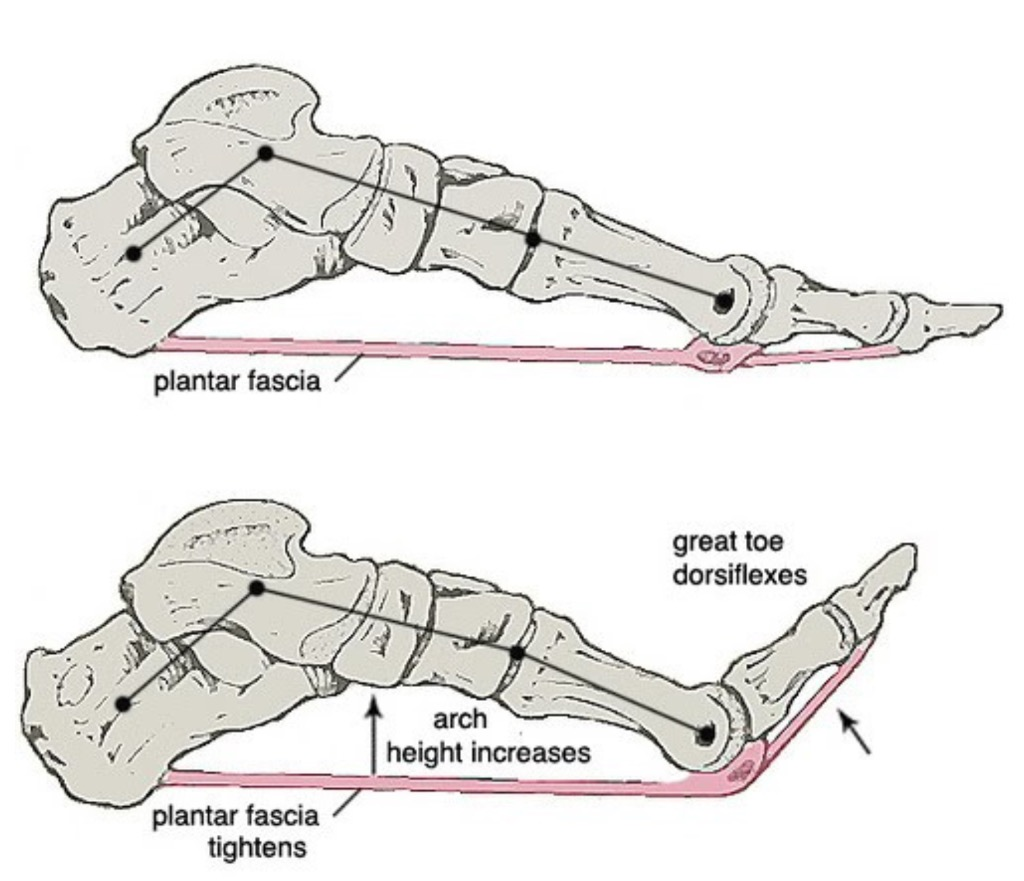
When the big toe cannot extend properly, runners often compensate by:

  • — Rolling onto the outside of the foot
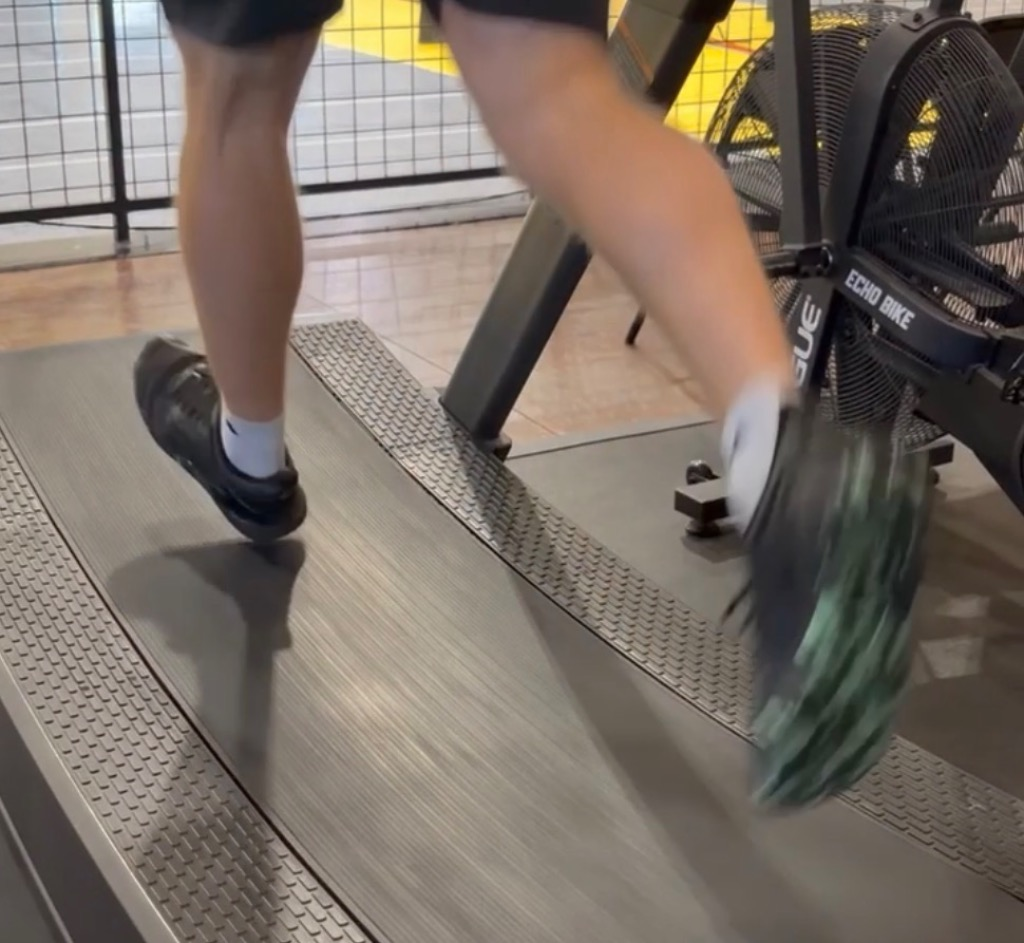
  • — Developing a heel whip
  • — Losing normal arch mechanics

Over time, we often see these compensations show up alongside plantar fasciitis, knee pain, hip pain, and low back discomfort.

Hip Mobility

Healthy hip rotation, especially internal rotation, plays a key role in normal running mechanics.

When hip mobility is restricted, runners tend to:

  • — Lose normal foot mechanics
  • — Shift weight toward the outside of the foot
  • — Increase stress on the outside (lateral) knee
  • — Compensate through the low back

Improving hip mobility supports a more efficient stride and takes unnecessary stress off the tissues around it.

Thoracic Spine Mobility

Your upper back plays a much bigger role in running than most people realize.

Adequate thoracic rotation lets your arms and trunk rotate naturally, which helps you maintain balance and efficiency with every stride. Extension matters just as much. Hours spent sitting at a desk can leave runners stuck in a flexed posture, making it harder to hold the tall, upright position that efficient running actually requires.

Limited thoracic mobility tends to show up as excessive arm swing, poor posture, and added stress on the shoulders and spine.

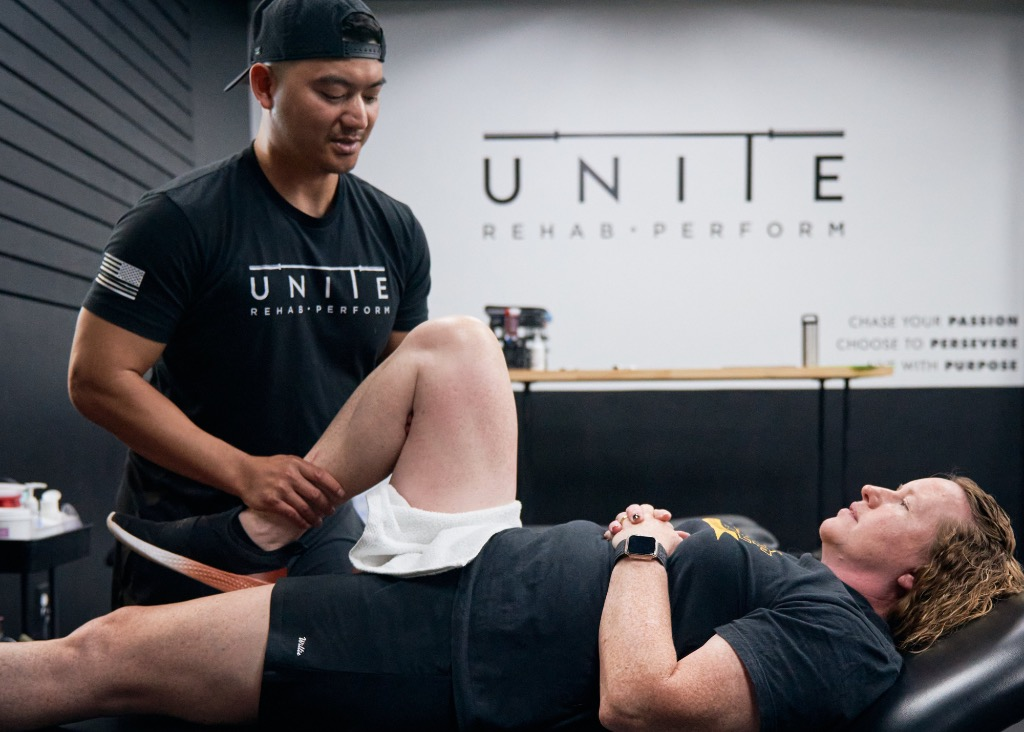
2. Build Strength and Stability

One of the biggest myths in running is that strength training makes runners slower. It’s the opposite.

Strength training drives force production, running economy, endurance, and longevity. Stronger runners hold their mechanics together as fatigue sets in, which is exactly when most energy leaks and breakdowns happen.

Rather than treating strength work as something separate from mileage, both in-season and off-season training are the right time to build the muscles that support every stride.

Key Areas to Strengthen

  • — Glutes for pelvic stability and hip control
  • — Hamstrings for powerful hip extension
  • — Calves and anterior tibialis for lower leg endurance
  • — Hip external rotators to manage excessive internal rotation and overpronation

It’s also worth training in multiple planes of movement, not just straight ahead. Running moves you forward, but your joints need strength in every direction to stay stable and resilient: rotation, side to side, forward, and backward. At UNITE, we build well-rounded strength programs around all of these directions, not just the ones runners see most often.

Want to learn more? Sign up for our Free Runner’s Workshop on September 19th.

3. Make Recovery Part of Your Training

Recovery isn’t time away from training. It is training.

Without adequate recovery, tissues don’t fully regenerate, fatigue accumulates, and injury risk climbs. Aim for 1-2 recovery days each week, especially after your highest intensity workouts or longest runs.

Recovery strategies include:

  • — Prioritizing quality sleep
  • — Proper nutrition and hydration
  • — Mobility work
  • — Active recovery sessions
  • — Athlete regeneration treatments to support recovery between training sessions

The runners who improve the most are usually the ones who recover the best. Check out our Athlete ReGen sessions here.

Common Running Form Faults

Every runner develops movement habits. Some are efficient. Others eventually turn into pain or a performance ceiling. Here are a few of the patterns we evaluate most, and how they tie back to the mobility and strength pillars above.

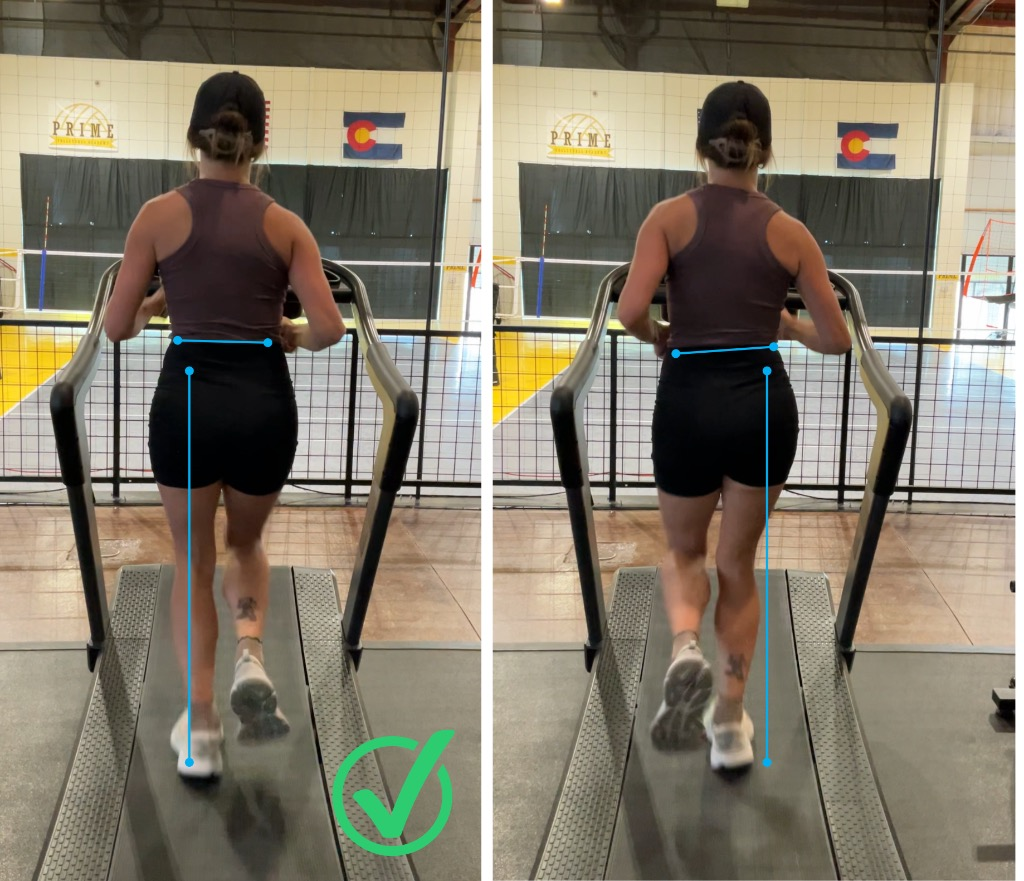
Hip Drop

Hip drop is when the pelvis dips toward the ground on the side opposite the leg bearing weight, most often tied to glute weakness and reduced hip stability.

Left unaddressed, hip drop can build into hip, knee, or ankle pain over time. It’s one of the patterns worth catching early, before it turns into something that interrupts training.

Not sure if this applies to you? Try our Free Runner’s Assessment.

Overstriding and Heel Strike

Overstriding happens when your foot lands too far in front of your body with each step, which increases braking forces and loading through the knees.

A quick way to spot it: check the heel of your running shoe. Heavy wear there usually means you’re heel striking hard. Shin splints, and soreness along the front of the shin, are common companions to overstriding as well.

One commonly used clinical guideline is to aim for a cadence of 170 steps per minute or more. Increasing your cadence shortens your overstride and helps place your foot in a more optimal position as it strikes the ground. A 2025 systematic review found that runners who increased their cadence by roughly 5 to 10 percent above their own natural pace saw reduced impact forces, shorter stride length, and better hip and knee alignment, all without hurting running economy.[1] Whether you use 170 as a general target or build up gradually from your own baseline, the principle is the same: small, individualized increases in cadence can meaningfully change how your body absorbs and manages the forces of running.

Limited Thoracic Rotation

As covered above, restricted upper back mobility limits efficient arm swing and trunk rotation. When it shows up as a running fault rather than just a mobility limitation, we usually see it as decreased arm swing, upper back stiffness, or increased spinal curvature during the run itself.

Hamstring Mobility Restrictions

Sometimes the limitation isn’t flexibility at all. It’s how well your nerves glide through surrounding tissue, or how your pelvis is positioned and controlled.

This is where a physical therapist’s evaluation earns its keep. Stretching every day is often not the answer, because it doesn’t touch the actual cause. Finding the real source of hamstring tightness, instead of just the symptom, is what actually resolves it.

Not sure whether your running mechanics are helping or holding you back? A running assessment can pinpoint the mobility, strength, stability, and movement limitations that may be affecting your performance.

Common Running Injuries We Help Treat

Many running injuries aren’t simply overuse problems. More often, they’re movement problems. Some of the most common conditions we treat include:

  • — Lateral hip pain and IT band syndrome
  • — Plantar fasciitis
  • — Patellofemoral pain and patellar tendinopathy
  • — Low back pain
  • — Achilles tendon pain
  • — Shin splints

By identifying the underlying movement limitations rather than only treating symptoms, we help runners return to training with more confidence and fewer repeat injuries.

How a Running Assessment Can Help

A running assessment brings mobility, strength, stability, and movement analysis together in one evaluation, so instead of guessing which pattern applies to you, we can actually find out.

That typically means a look at the mobility areas covered above, a strength and stability screen, and an analysis of your running form itself. From there, we build a plan around what we actually find, not a generic list of stretches or drills.

Real Runner Success Stories

At UNITE, we’ve helped runners of every experience level work through pain and reach their goals. Whether preparing for a first 5K, returning from injury, or chasing a marathon PR, our approach combines movement assessment, individualized strength programming, manual therapy, and running analysis to address the actual cause of pain, not just the symptom.

In our workshop, we share real success stories and walk through the assessments and interventions that helped these runners get back to training stronger than before.

Key Takeaways

  • — Running injury prevention involves more than managing mileage.
  • — Mobility limitations can create compensations throughout the kinetic chain.
  • — Strength training helps runners produce and absorb force more effectively.
  • — Recovery allows muscles, tendons, and other tissues to adapt to training.
  • — Running mechanics such as hip drop and overstriding can contribute to inefficient movement.
  • — A running assessment can help identify limitations before they become larger problems.

FAQs

How can runners prevent injuries?
Focus on three things outside of mileage itself: mobility, strength and stability, and recovery. Together, they give your body the best shot at handling the repetitive demands of running without breaking down.

Does strength training help prevent running injuries?
Yes. Strength training builds better force production and movement control, which helps runners hold onto efficient mechanics even as fatigue sets in late in a run.

Why does my hip drop when I run?
Hip drop is most often tied to weakness or reduced control around the glutes and hip stabilizers. A movement assessment can confirm whether that’s what’s happening for you specifically.

How often should runners strength train?
It depends on your training load and goals, but most runners benefit from consistent strength work year-round, both in-season and off-season, rather than treating it as optional extra credit.

When should a runner see a physical therapist?
Anytime pain becomes recurring, limits your training, or doesn’t improve with rest, it’s worth getting evaluated. Prevention-minded runners also see a PT proactively, before pain shows up, through a running assessment.

Join Our Runner's Workshop

If you’re looking to stay healthy, improve your running form, or prevent injuries before your next training cycle begins, our Runner’s Workshop is the perfect place to start.

During this interactive workshop, you’ll learn:

  • – The mobility every runner should have
  • – The strength exercises that improve running performance
  • – Common running faults and how to fix them
  • – Injury prevention strategies
  • – Recovery techniques that actually make a difference
  • – Practical drills you can begin using immediately

Whether you’re training for your first race or your next marathon, you’ll leave with actionable strategies to help you run stronger and stay healthy.

Reserve your spot today. Space is limited, and we’d love to help you make this off-season your most productive one yet.

Sign up for our Runner’s Workshop on September 19th.

Reference

  1. Figueiredo I, Reis e Silva M, Sousa JE. The Influence of Running Cadence on Biomechanics and Injury Prevention: A Systematic Review. Cureus (PMC12440572). 2025.

UNITE.rehab.perform

Don’t leave it to chance.

Let Denver’s premier team of sports physical therapists and performance coaches lead the way!