Close

Is Your Running Cadence Causing Knee Pain?

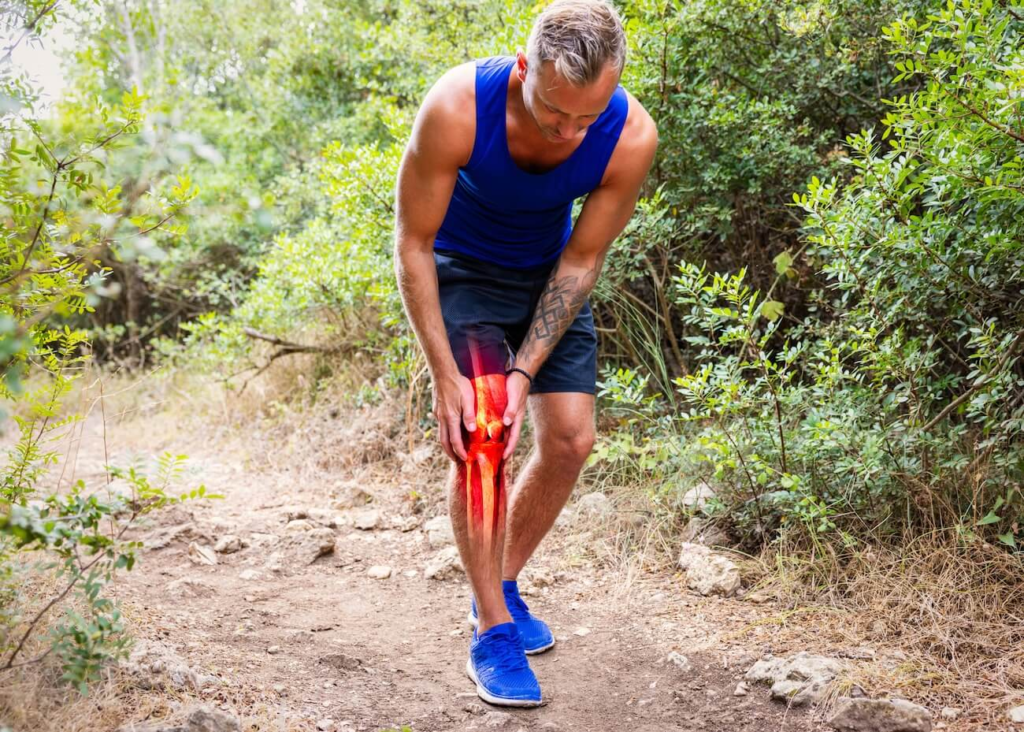
If you’ve been dealing with knee pain while running and nothing seems to fix it, cadence might be the missing piece.

Yes, running cadence can contribute to knee pain. Especially when your step rate is too slow and your stride gets longer than your body can control.

That is where stress starts to build.

Most runners focus on shoes, strength, or foot strike. Those matter. But cadence is one of the simplest and most effective ways to change how force moves through your body.

Cadence adjustments are one of the first things we look at when runners come in with recurring knee pain.

Let’s break it down in a way you can actually use.

What Is Running Cadence?

Running cadence is the number of steps you take per minute.

It directly influences how your body absorbs and produces force with every stride.

When cadence is off, your mechanics change. And when mechanics change, load shifts. Most of that load ends up at the knee.

This is where a lot of runners run into trouble.

How Slow Cadence Can Cause Knee Pain

This is the most common pattern we see.

When cadence is too slow, stride length increases. The foot lands further in front of the body, which creates overstriding.

Overstriding is one of the most common mechanical contributors to running-related knee pain.

Think of it like this:

Every step becomes a braking force.

Instead of moving forward smoothly, your body is absorbing impact in front of your center of mass. That force travels up the chain and concentrates at the knee.

Over time, this leads to:

  • — Increased compression through the kneecap
  • — Irritation of the quadriceps tendon
  • — Patellofemoral pain syndrome

Simple cue:

Too slow equals reaching forward and loading the knee more every step.

Can Cadence Be Too Fast?

It can, but it is less common.

This usually happens when runners try to force a higher cadence too aggressively.

What you see:

  • — Short, choppy steps
  • — Increased stiffness through the legs
  • — Poor force absorption

The issue here is not the concept of a higher cadence. It is how it is applied.

Too many steps without proper mechanics can increase total load and fatigue the system faster.

Simple cue:

Too fast equals too many steps without enough control.

What Is a Good Running Cadence?

Most runners fall somewhere between 165 and 180 steps per minute.

But there is no perfect number.

Cadence depends on:

  • — Height
  • — Pace
  • — Experience
  • — Running style

The goal is not to chase a number.

The goal is to slightly improve how your body handles load.

A small cadence increase often reduces knee stress by shortening stride length and decreasing braking forces.

That is where the real benefit comes from.

3 Signs Cadence May Be Contributing to Knee Pain

If you are not sure whether cadence is part of the problem, look for these:

  • — Your foot lands noticeably in front of your body
  • — Your steps sound loud or heavy
  • — Knee pain increases on longer runs or downhill

These are strong indicators that load is not being managed efficiently.

How to Adjust Cadence Safely

This does not require a complete overhaul.

Small changes make a big difference.

1. Increase Cadence Slightly

Aim for a 5 to 10 percent increase.

Example:
160 steps per minute → 168 to 176

Use a metronome or music to guide rhythm.

The key is gradual adaptation, not a sudden shift.

2. Keep Your Foot Under Your Body

Cue: land under your hips, not in front.

This reduces braking forces and helps your body move forward more efficiently.

Think:

Light steps
Quiet contact
Quick turnover

3. Let Pain Guide You

You do not need to guess.

  • — Keep pain at or below 3 out of 10
  • — It should not worsen the next day
  • — If symptoms spike, adjust slightly or reduce volume

Your body will tell you if you are moving in the right direction.

When to Seek a Running Assessment

If you have tried adjusting cadence and still have knee pain, there is likely more going on.

Cadence is one piece of the puzzle.

Other factors include:

At UNITE Rehab & Performance, our running assessments look at how your body actually moves.

We identify:

  • — Stride mechanics
  • — Force patterns
  • — Cadence and load distribution
  • — Movement limitations contributing to pain

From there, we build a plan that gets you back to running stronger and more efficiently.

Final Thoughts

Knee pain while running is common.

But it is not something you should just work around.

If your cadence is off, your body is doing extra work every step. Over time, that adds up.

The good news is this:

Small adjustments can make a big difference.

If you want to run with less pain, better efficiency, and more confidence, start by looking at how you move, not just how far or how fast you go.

Ready to Run Without Knee Pain?

If you are dealing with knee pain during or after running, a structured running assessment can help you understand exactly what is driving it.

Work one on one with a sports performance physical therapist to break down your mechanics and build a plan that actually translates to your running.

Book your runner assessment today and get back to training with clarity, confidence, and a body that can handle the miles.

Don’t leave it to chance.

Let Denver’s premier team of sports physical therapists and performance coaches lead the way!