
UNITE.rehab.perform
Denver's Best Sports Physical Therapy
Why the Room Is Spinning: Understanding the Two Most Common Vestibular Conditions
Written by Dr. Lauren, DPT
But in many cases, dizziness is coming from your vestibular system. And vestibular therapy is a specialized form of physical therapy designed to treat dizziness, vertigo, balance problems, and motion sensitivity through targeted exercises that improve balance, gaze stability, and nervous system adaptation. When the source is accurately identified, vestibular rehabilitation can help significantly.
As a vestibular rehab specialist, two of the most common conditions I treat are BPPV and vestibular hypofunction. Although both can cause dizziness, they are very different problems and require different treatment approaches.
What Is the Difference Between Dizziness and Vertigo?
These terms are often used interchangeably, but they describe different experiences, and the distinction matters for diagnosis and treatment.
Vertigo is a specific sensation of spinning or rotational movement, either feeling like you are spinning or like the room is spinning around you. It is typically episodic and often triggered by position changes.
Dizziness is a broader term that can include lightheadedness, feeling off balance, floating sensations, or a general sense of being “off.” It does not always involve spinning.
Most patients describe their symptoms using whatever language feels closest to what they are experiencing. Part of a proper vestibular evaluation is translating those descriptions into an accurate clinical picture, because the right diagnosis determines the right treatment.
First: What Is the Vestibular System?
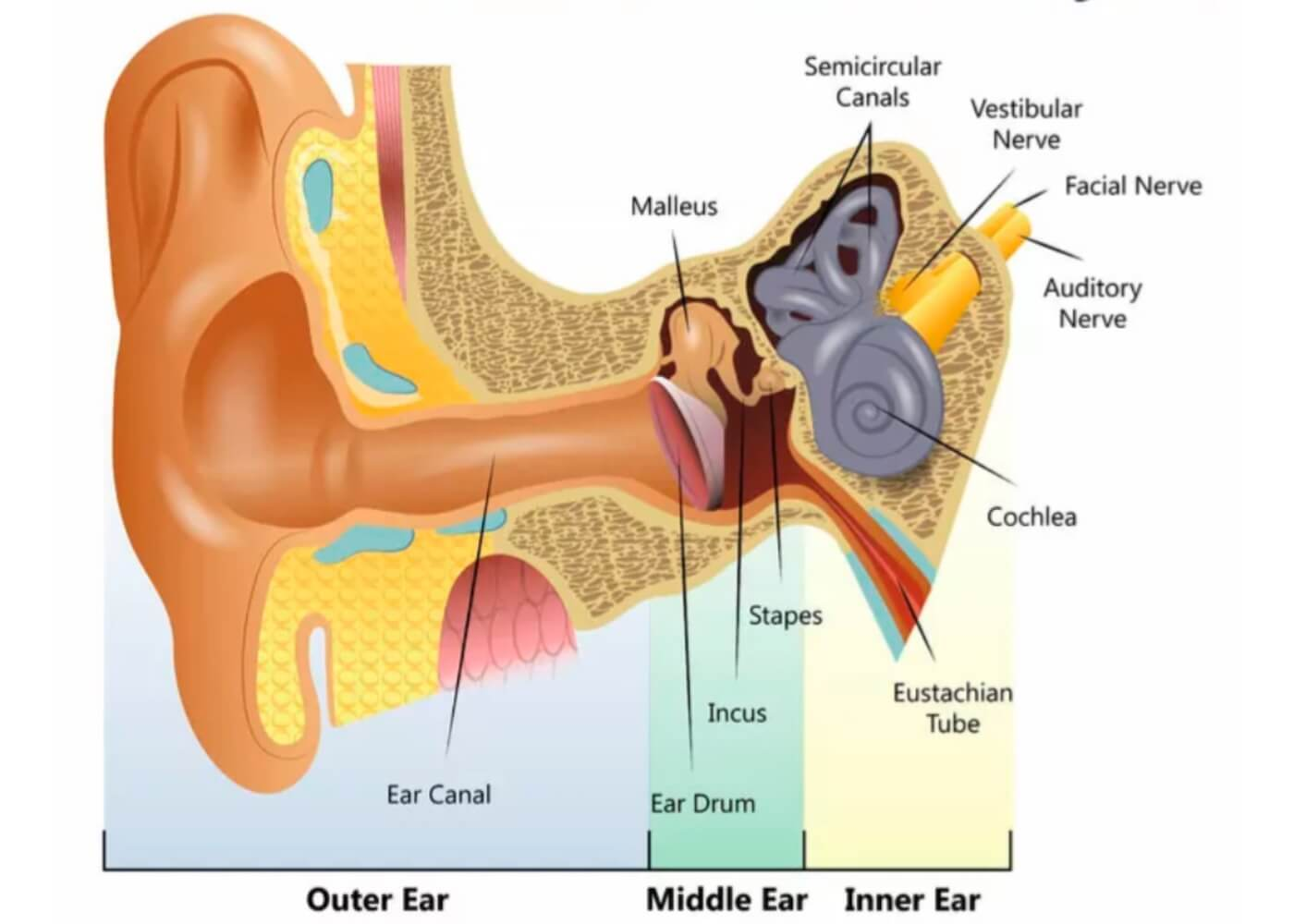
Your vestibular system is your body’s balance and motion detection system, located in the inner ear. It works closely with your eyes, brain, muscles, and joints to help you maintain balance, keep your vision stable when your head moves, know where your body is in space, and walk and move with confidence.
When this system is disrupted, symptoms can include spinning sensations, persistent dizziness, imbalance, motion sensitivity, nausea, brain fog, and difficulty walking or driving.
Not all dizziness is the same. That is why identifying the source matters before any treatment begins.
BPPV: The “Room Spinning” Vertigo
Benign Paroxysmal Positional Vertigo (BPPV) is a vestibular condition caused by displaced calcium crystals in the inner ear that trigger brief episodes of vertigo when changing head positions.
Despite the complicated name, BPPV is actually a mechanical issue. Inside the inner ear are tiny calcium crystals (otoconia) that help detect movement and position changes. Sometimes these crystals become dislodged and migrate into the wrong canal of the inner ear. When that happens, your brain receives incorrect information about movement, creating sudden episodes of vertigo.
[H3] Common Symptoms of BPPV
- — Sudden spinning when rolling over in bed
- — Vertigo when looking up or bending over
- — Short bursts of intense dizziness lasting seconds to a minute
- — Nausea with specific head movements
- — Feeling completely normal between episodes
A major clue is that symptoms are usually triggered by specific head positions.
Vertigo when rolling over in bed is one of the most common presentations and is frequently caused by BPPV.
The Good News
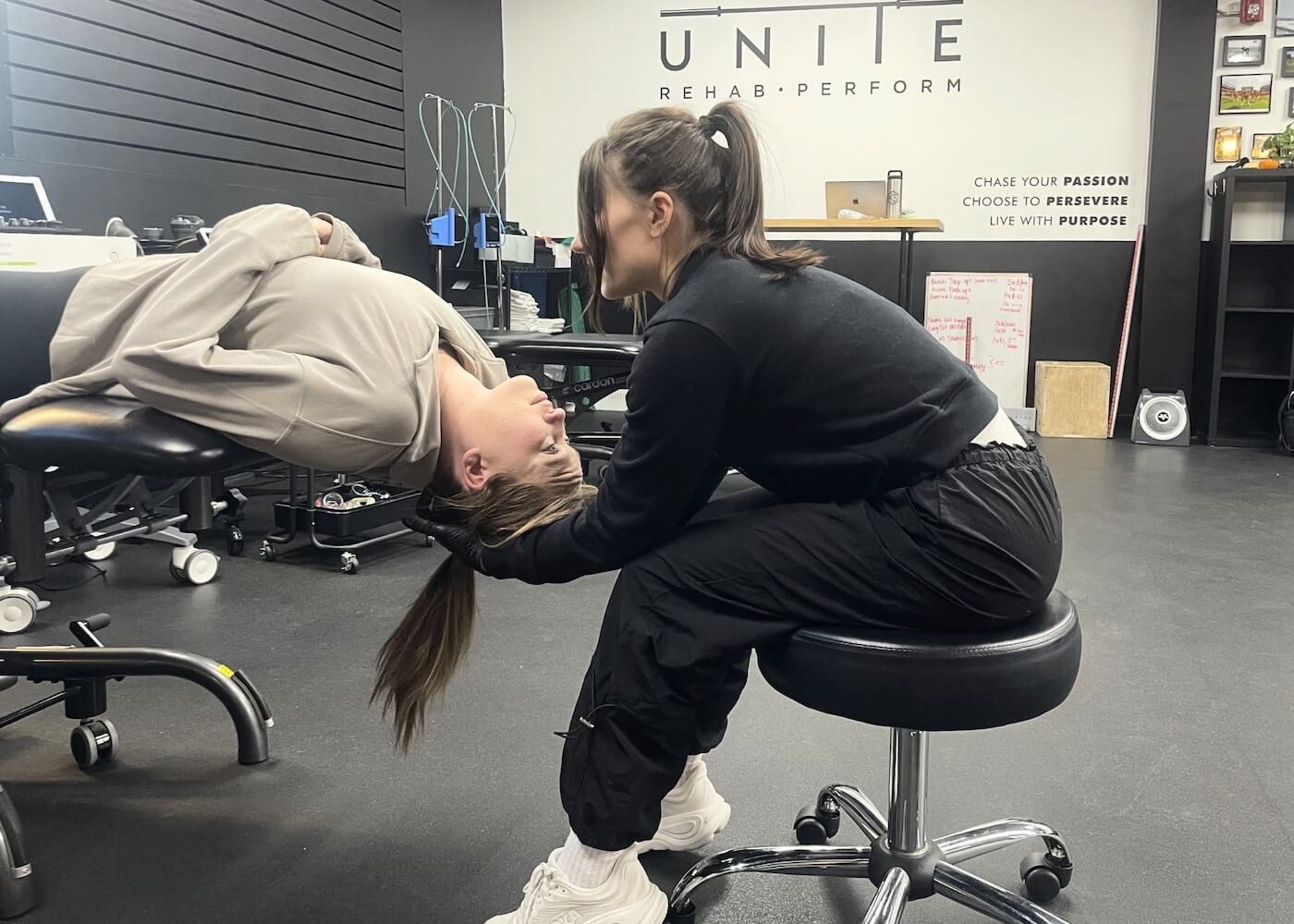
BPPV is often highly treatable. Vestibular rehab uses specific repositioning maneuvers (such as the Epley maneuver) designed to guide the crystals back where they belong. Many patients improve dramatically in just one to a few sessions when properly diagnosed and treated.
The key is identifying which ear is involved, which canal is affected, and whether symptoms are truly BPPV or something else. Not all vertigo is BPPV, and not all dizziness should be treated the same way.
Vestibular Hypofunction: When the Balance System Is Underperforming
Vestibular hypofunction is fundamentally different from BPPV.
Instead of misplaced crystals, vestibular hypofunction occurs when one or both vestibular systems are not sending accurate or strong enough signals to the brain. Think of it like having a weak or delayed connection from your inner ear.
This can develop after viral infections, vestibular neuritis, concussions, head injuries, inner ear disorders, and sometimes with no identifiable cause at all.
Common Symptoms of Vestibular Hypofunction
Unlike BPPV, symptoms are often more constant and less “spinning”:
- — Feeling persistently off balance
- — Floating or swaying sensations
- — Dizziness that worsens with walking or head movement
- — Difficulty in busy environments like grocery stores, crowds, or traffic
- — Motion sensitivity
- — Blurry vision with movement
- — Unsteadiness in the dark
One of the most common descriptions: “I feel fine sitting still, but moving makes everything worse.”
Why It Happens
Your vestibular system helps stabilize your vision while your head moves through a mechanism called the vestibulo-ocular reflex (VOR). When the system is underperforming, your brain struggles to coordinate head movement, eye movement, and balance. That mismatch between what your body is doing and what your brain expects creates the dizziness and instability.
BPPV vs. Vestibular Hypofunction at a Glance
BPPV | Vestibular Hypofunction |
Brief spinning episodes | Persistent imbalance and unsteadiness |
Triggered by specific position changes | Triggered by movement in general |
Caused by displaced crystals | Caused by a weak vestibular signal |
Often resolves quickly with repositioning | Requires progressive rehabilitation |
Most common trigger: rolling over in bed | Most common trigger: walking or busy environments |
Other Conditions That Can Cause Dizziness
BPPV and vestibular hypofunction are the two most common vestibular conditions, but they are not the only causes of dizziness. A few other conditions worth being aware of:
Vestibular migraine. Dizziness and vertigo associated with migraine, sometimes occurring without a headache at all. Often presents with motion sensitivity, visual disturbance, and light or sound sensitivity.
Cervicogenic dizziness. Dizziness originating from the neck, often related to stiffness, injury, or poor cervical mechanics. Frequently seen alongside neck pain or after whiplash.
Concussion-related dizziness. Vestibular disruption following a head injury. Can involve a combination of BPPV, vestibular hypofunction, and central nervous system involvement.
Meniere’s disease. An inner ear condition characterized by episodes of vertigo, fluctuating hearing loss, tinnitus, and a feeling of fullness in the ear.
Each of these requires a different treatment approach, which is why a thorough evaluation matters before any treatment begins. Treating symptoms without identifying the source often leads to frustration and incomplete recovery.
How Vestibular Rehabilitation Helps
Vestibular rehab is not just “balance exercises.” A proper vestibular evaluation looks at eye movements, balance strategies, gaze stability, positional responses, walking mechanics, motion sensitivity, neck involvement, and nervous system responses.
Treatment is then individualized based on what the evaluation reveals.
For BPPV:
- — Canalith repositioning maneuvers to return displaced crystals to their correct position
- — Positional testing to confirm resolution
- — Education about symptom triggers and recurrence prevention
For Vestibular Hypofunction:
- — Gaze stabilization exercises to retrain the VOR
- — Balance retraining across progressively challenging conditions
- — Habituation exercises to reduce motion sensitivity
- — Walking and movement progressions
- — Nervous system desensitization
- — Return-to-activity or return-to-sport progression
The goal is not just reducing dizziness. The goal is helping people move confidently again, return to exercise, drive comfortably, walk without fear, and get back to work and life.
What Happens During a Vestibular Evaluation?
If you have never had a vestibular evaluation, here is what to expect:
Eye movement testing. How your eyes respond to different stimuli and positions reveals a significant amount about what is happening in the vestibular system. This is often the most diagnostic component of the evaluation.
Positional testing. Specific head and body positions are tested to determine whether BPPV is present and, if so, which ear and canal are involved.
Balance assessment. Testing your balance under different conditions, including with eyes open and closed, on firm and soft surfaces, and during movement tasks.
Functional movement assessment. Evaluating how you walk, turn, and move through real-world demands to identify where the breakdown is occurring.
Based on these findings, you leave with a clear understanding of what is causing your symptoms and a specific treatment plan to address it.
How Long Does Vestibular Therapy Take?
Recovery timelines depend on the condition and the individual:
BPPV often responds within one to three sessions when accurately diagnosed. Some patients feel dramatically better after a single visit. Recurrence is possible, but repeat treatment is typically effective.
Vestibular hypofunction requires a longer rehabilitation process, typically several weeks to a few months of progressive work. The vestibular system adapts gradually, and consistent practice of prescribed exercises between visits is essential to progress.
Factors that affect recovery speed include how long symptoms have been present, overall health and activity level, consistency with the home exercise program, and whether there are multiple contributing factors (cervical involvement, concussion history, anxiety).
Try This: A Simple Gaze Stabilization Exercise
One of the most common issues with vestibular dysfunction is difficulty stabilizing your vision while your head and eyes move. This can create dizziness, motion sensitivity, nausea, and a feeling of being visually overwhelmed.
Here is a simple exercise you can try at home:
Setup: Write the letters A, B, C, D on four sticky notes and draw a large black dot on a fifth. Place the dot at eye level on a wall about five feet in front of you. Place A above, B to the left, C to the right, and D below, creating a cross pattern.
How to perform it: Sit or stand comfortably. Focus your eyes on the center dot. Without moving your head, move only your eyes to each letter and back to the dot: up to A, back to center, left to B, back to center, right to C, back to center, down to D, back to center. Progress to smooth horizontal and vertical scanning, then diagonal patterns.
The goal is smooth, controlled eye movement while maintaining clear visual focus.
What to watch for: If this exercise reproduces dizziness, motion sensitivity, nausea, or difficulty focusing, it may indicate some level of vestibular disruption or impaired gaze stabilization. A mild increase in symptoms during the exercise can be normal, but they should settle back down afterward and not remain elevated for hours.
Important: This exercise is a useful starting point, but it is not a full treatment plan. Vestibular dysfunction is highly individualized. If this exercise brings on symptoms, a comprehensive vestibular evaluation is the right next step to identify the source and build a treatment plan specific to you.
When Should You See a Vestibular Rehab Specialist?
Consider an evaluation if you are experiencing:
- — Recurrent vertigo episodes
- — Persistent dizziness that is not improving
- — Motion sensitivity in busy environments
- — Balance problems affecting daily activities
- — Dizziness following a concussion or head injury
- — Symptoms with walking or head movement that have not resolved on their own
One of the most common misconceptions is that dizziness is something people simply need to learn to live with. In reality, many vestibular conditions respond extremely well to targeted rehabilitation when accurately diagnosed.
Do Not Let Dizziness Control Your Life
Whether you are experiencing vertigo when rolling over in bed, feeling off balance while walking, or struggling with dizziness after a concussion, a vestibular assessment can identify the root cause and create a personalized recovery plan.
With the right evaluation and treatment, people can often make significant improvements in both symptoms and quality of life. Dizziness is common, but it does not have to be permanent.
Dr. Lauren, DPT
Dr. Lauren, DPT, is a vestibular rehabilitation specialist at UNITE.rehab.perform in Thornton, CO, focusing on dizziness, vertigo, balance disorders, concussion recovery, and helping patients return to confident, unrestricted movement.
Don’t leave it to chance.
Let Denver’s premier team of sports physical therapists and performance coaches lead the way!
©2020-2025 UNITE.rehab.perform LLC. All rights reserved.
UNITE.rehab.perform does not provide medical advice, diagnosis, or treatment through this website or related content. See additional information.