1. Prioritize Mobility
Running requires your body to move well from head to toe. Limited mobility in one area often asks another joint to compensate, adding stress somewhere else along the chain.
Let’s start from your toes.
Great Toe Mobility
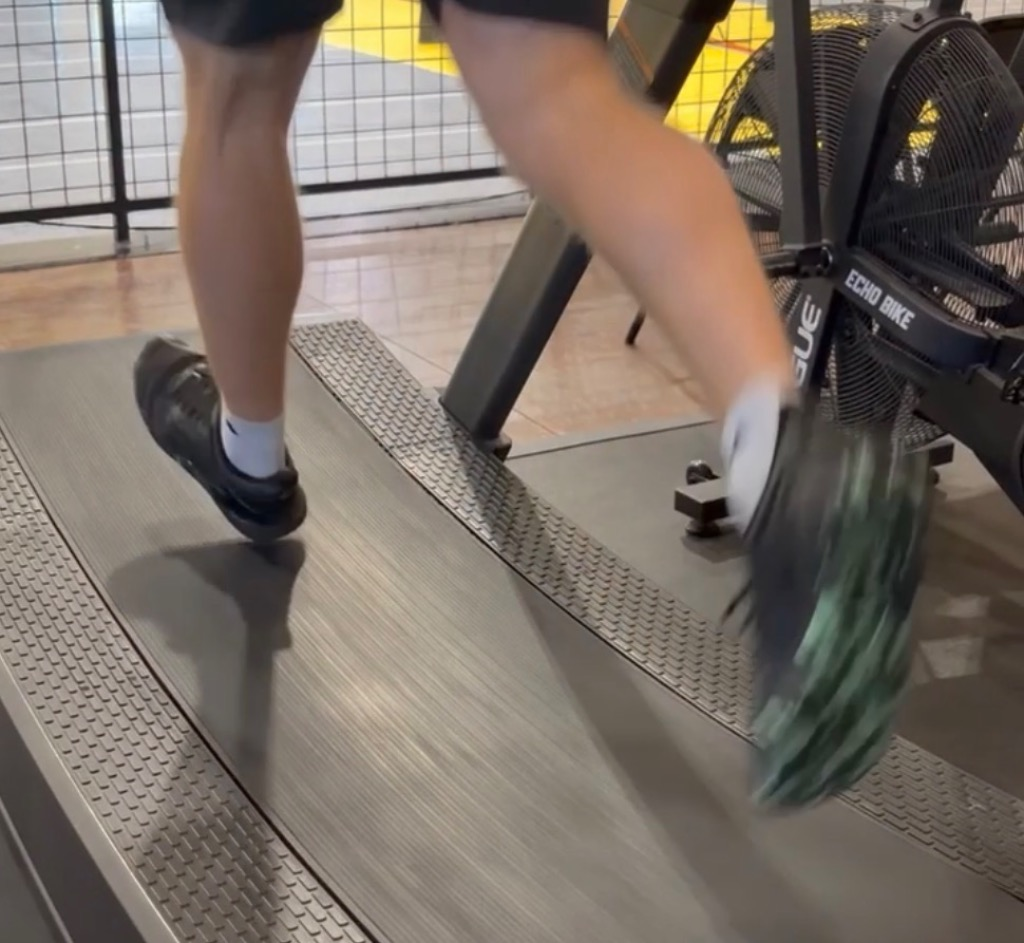
One of the most overlooked areas is the big toe. During walking, we need approximately 50 degrees of great toe extension. During running, that number increases to roughly 70 to 80 degrees.
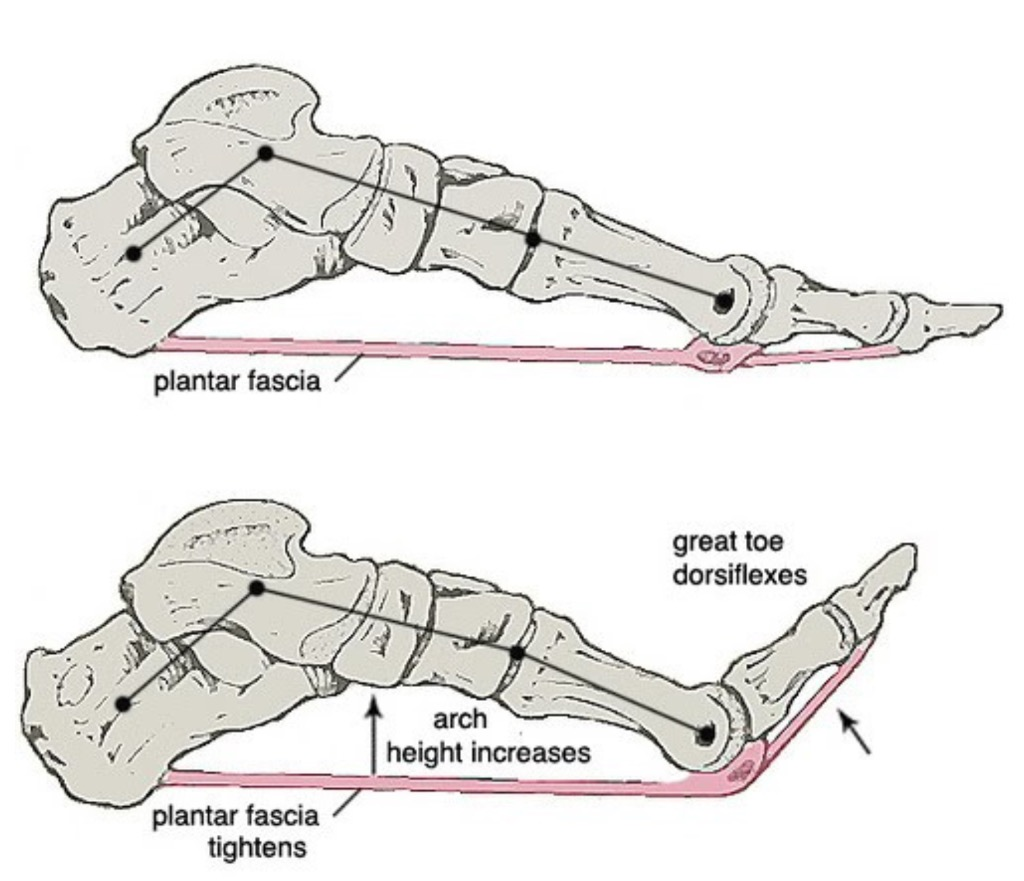
When the big toe cannot extend properly, runners often compensate by:
- — Rolling onto the outside of the foot
- — Developing a heel whip
- — Losing normal arch mechanics
Over time, we often see these compensations show up alongside plantar fasciitis, knee pain, hip pain, and low back discomfort.
Hip Mobility
Healthy hip rotation, especially internal rotation, plays a key role in normal running mechanics.
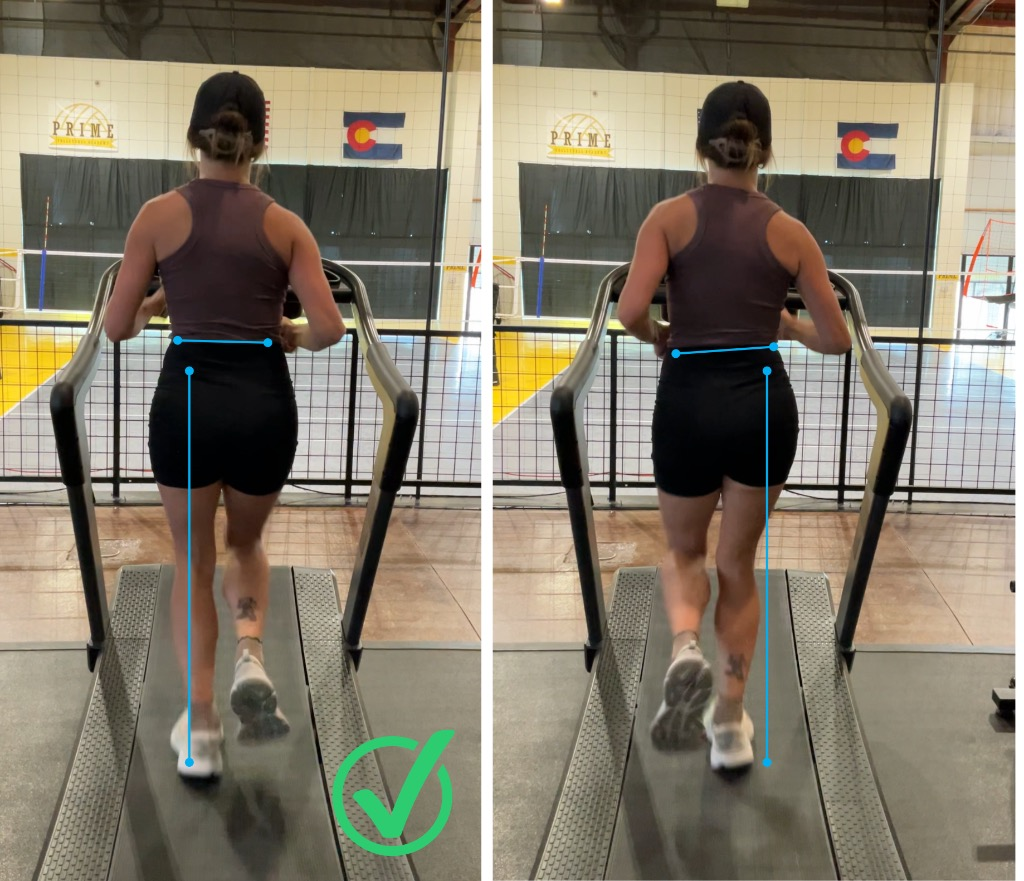
When hip mobility is restricted, runners tend to:
- — Lose normal foot mechanics
- — Shift weight toward the outside of the foot
- — Increase stress on the outside (lateral) knee
- — Compensate through the low back
Improving hip mobility supports a more efficient stride and takes unnecessary stress off the tissues around it.
Thoracic Spine Mobility
Your upper back plays a much bigger role in running than most people realize.
Adequate thoracic rotation lets your arms and trunk rotate naturally, which helps you maintain balance and efficiency with every stride. Extension matters just as much. Hours spent sitting at a desk can leave runners stuck in a flexed posture, making it harder to hold the tall, upright position that efficient running actually requires.
Limited thoracic mobility tends to show up as excessive arm swing, poor posture, and added stress on the shoulders and spine.