Close

Why Traditional Physical Therapy Failed to Fix Your Injury

Written by Dr. Lauren, DPT

If you’ve tried physical therapy and it didn’t work, you are not alone. If your pain came back the moment you returned to training, lifting, or your sport, you are not alone either.

This is one of the most common frustrations we hear from athletes and active adults. You did the exercises. You showed up. You were consistent. And yet, the pain came right back.

Physical therapy often fails when it focuses on symptom relief instead of building the strength, capacity, and movement control required for real-life activity. The issue is rarely that physical therapy doesn’t work. The issue is how it’s delivered.

Here’s what actually goes wrong.

Why Physical Therapy Doesn’t Work for Some People

Traditional PT was built around insurance billing cycles, high patient volume, and short-term symptom management. For athletes and active adults who need to return to real performance demands, that model consistently falls short — and for predictable reasons.

Too Much Passive Treatment (Not Enough Strength and Loading)

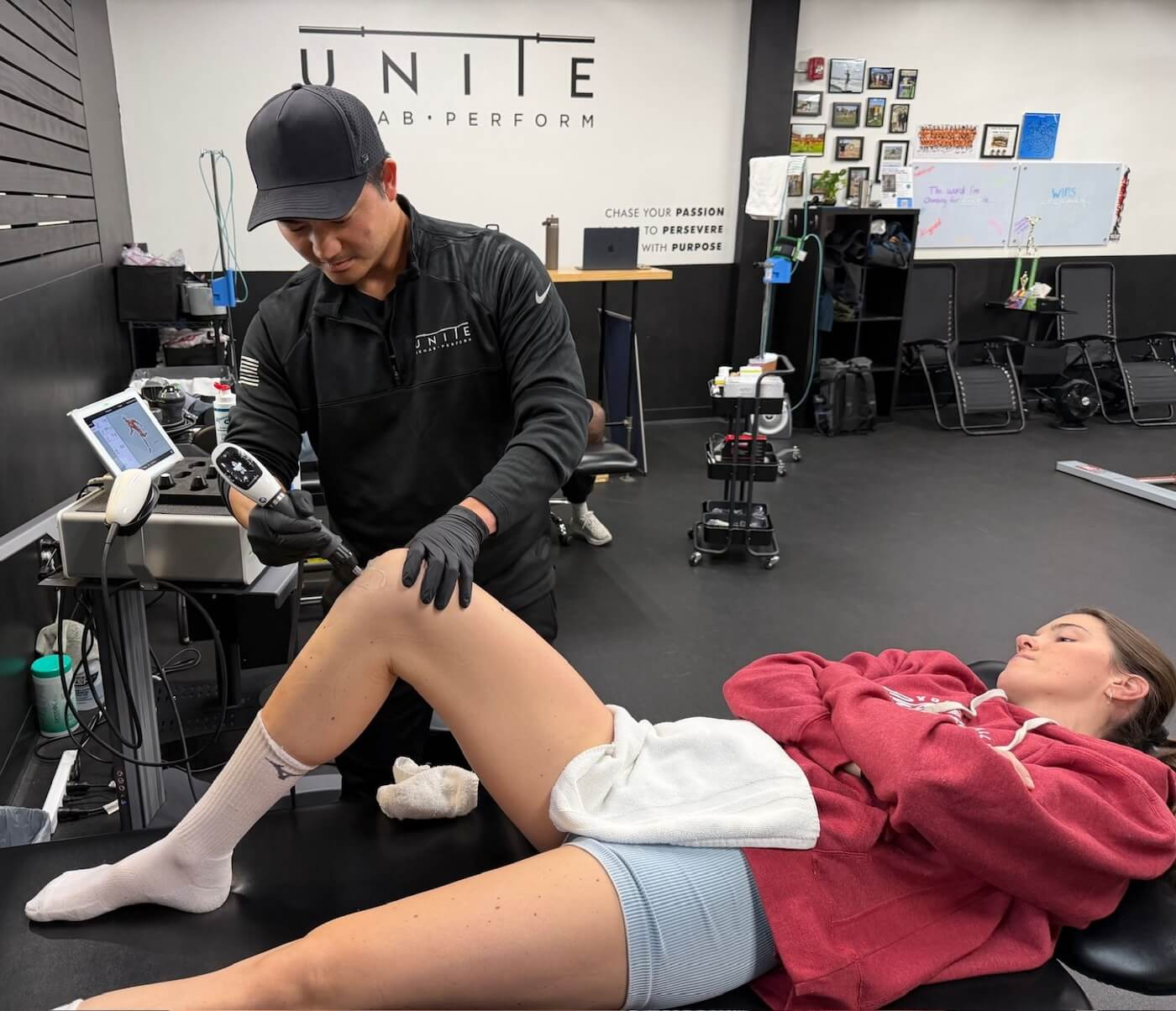
Many clinics rely heavily on passive treatments like heat, ice, electrical stimulation, and ultrasound. These can calm symptoms early on, but they do not create lasting change.

Your body adapts when you challenge it. Without progressive strengthening and deliberate movement work, you may feel better in the short term while nothing has actually improved underneath. The moment real demand returns, the symptoms follow.

Generic Rehab Programs (Not Individualized)

Two people with “low back pain” can have completely different movement limitations, strength deficits, and performance demands. Many clinics run nearly identical programs regardless.

When your rehab is not built around your specific deficits, history, and goals, it misses the mark. You might be doing reasonable exercises — just not the right ones for you.

Treating Symptoms Instead of the Root Cause

Traditional PT often ends when pain decreases. But pain is only part of the picture.

A runner who stops hurting after six weeks of PT but never rebuilt hip strength or running mechanics is not recovered. They are rested. The underlying issue is still there, waiting for mileage to increase.

This is why so many people feel great during therapy and fall apart the week they return to normal activity. The root problem was never actually solved.

Rushed Sessions and Fragmented Care

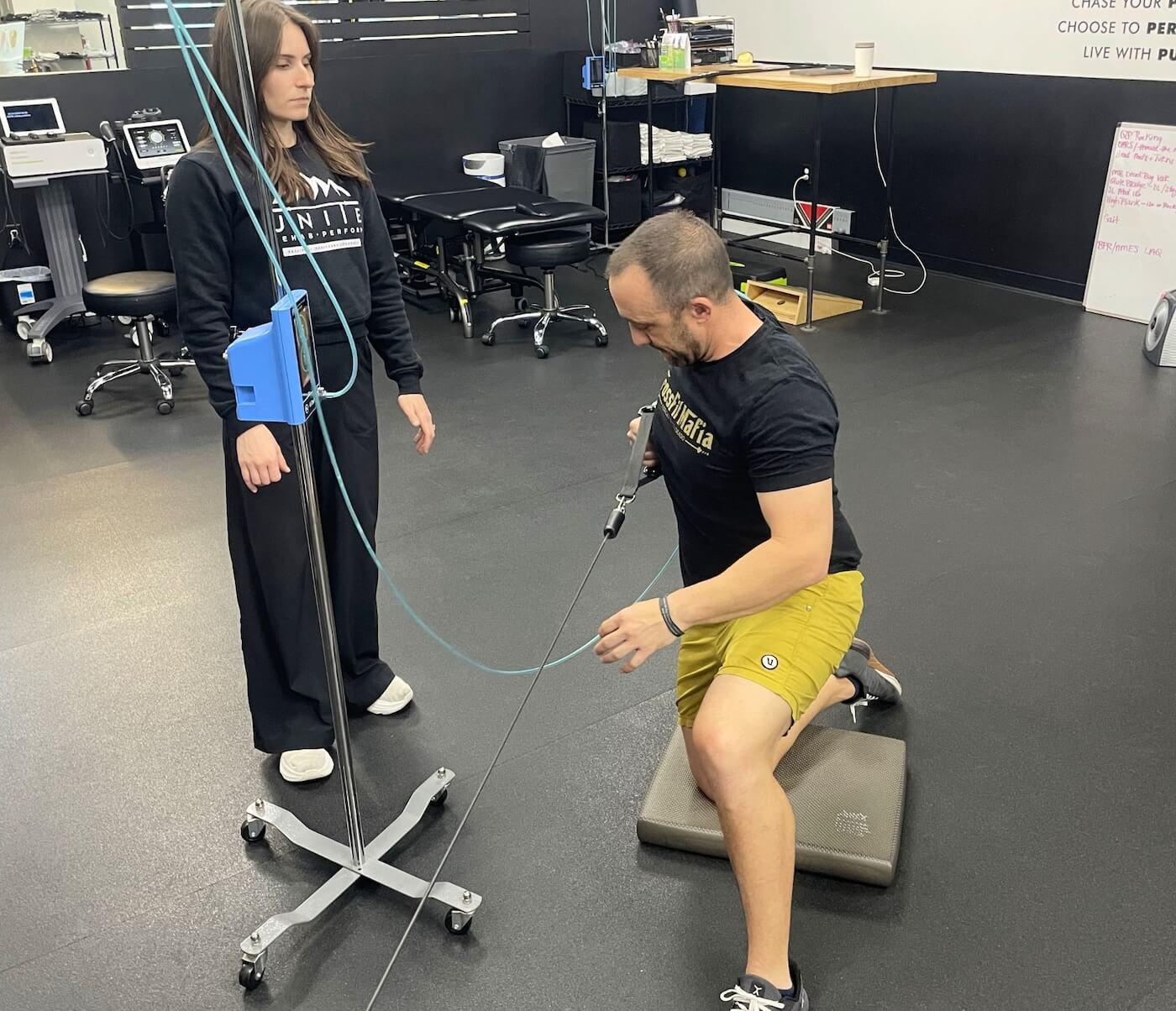
In high-volume clinic settings, you may be evaluated by a DPT and then spend the bulk of your follow-up sessions with aides running a preset program. Compensations go unnoticed. Progressions never happen. No one qualified is watching closely enough to adjust in real time.

Rehab requires ongoing assessment and active coaching. Without it, progress stalls regardless of effort.

Rehab That Doesn’t Progress (Underloading the Body)

Starting conservatively makes sense. Staying there does not.

If your program never advances beyond light resistance bands and slow, controlled movements, your body never develops the capacity to handle actual demands. A basketball player needs to decelerate, change direction, and land under fatigue. A weightlifter needs to brace under a heavy bar. If those qualities are never rebuilt in rehab, you are not ready to return — regardless of how good you feel in the clinic.

No Clear Plan or Direction

You should understand what is happening in your body, why you are doing specific exercises, and where the program is headed. If you were discharged confused, or your program stayed the same for weeks without explanation, that is a failure of the process.

Rehab should be collaborative and transparent. When it isn’t, patients go through the motions and leave without real confidence in their recovery.

Signs Your Physical Therapy Didn’t Work

If any of these sound familiar, your rehab left unfinished business:

  • Pain returns as soon as you go back to training or sport
  • Your exercises never progressed beyond the basics
  • You were never pushed anywhere near the intensity your life or sport actually demands
  • You feel better, but not noticeably stronger or more capable
  • The same injury keeps cycling back every few months

Feeling better in a controlled clinical environment is not the same as being ready to perform. If you were never taken to that point, your rehab was not finished.

What to Do If Physical Therapy Didn’t Work

The answer is not to stop moving or avoid the things you love. It’s to take the process further with a different approach.

Start with a full movement assessment to identify what was missed and what is actually driving the problem. From there, the focus shifts to rebuilding strength and progressing systematically until your body can handle more than your sport or daily life demands of it — not just what a clinic environment requires.

At UNITE, that is exactly how we work. Rehab does not stop at pain relief. We assess how you move, fix what’s limiting you, and build you back to a level of performance that actually holds up when it counts.

Frequently Asked Questions

Why does my pain come back after physical therapy? 

Because pain relief and full recovery are not the same thing. If the underlying strength deficits and movement limitations were never addressed, symptoms will return the moment real demands increase.

What is the difference between rehab and training? 

In traditional models, they are treated as separate phases. In performance-based rehab, they exist on the same continuum. You assess, fix the limitations, build capacity, and progress until you are performing at or above your pre-injury level — which is exactly where you need to be to stay there.

Ready to Actually Finish Your Rehab?

If you’ve already tried the standard route and you’re still dealing with pain or recurrence, you don’t need another round of the same thing. You need a different approach.

At UNITE, we start with a full performance assessment to understand exactly what has been missing from your recovery. From there, we build a plan designed to get you back to doing what you’re built to do — at a level that lasts.

You’ve already put in the work. Let’s make it count.

Book Your Performance Assessment →

Don’t leave it to chance.

Let Denver’s premier team of sports physical therapists and performance coaches lead the way!