
UNITE.rehab.perform
Denver's Best Sports Physical Therapy
How High Altitude Hits Your Athletic Performance
Written by: Francis Huldi, MA, CSCS
So how does altitude affect athletic performance? Mostly, it hits your endurance. Above roughly 5,000 feet, your aerobic ceiling starts to drop, so the same pace eats up a bigger share of what you’ve got. Your heart rate climbs, you tire sooner, and you lose fluid faster. Short, explosive efforts like sprints and heavy lifts mostly hold up. Your body adapts over days to weeks, but the first few days are usually the roughest.
Here’s what’s actually happening under the hood when you hit the mountain trail or track.
Your Aerobic Ceiling Crashes (VO2max)
Your VO2max is the most oxygen your body can use during an all-out effort, and it’s the first thing altitude takes a bite out of.
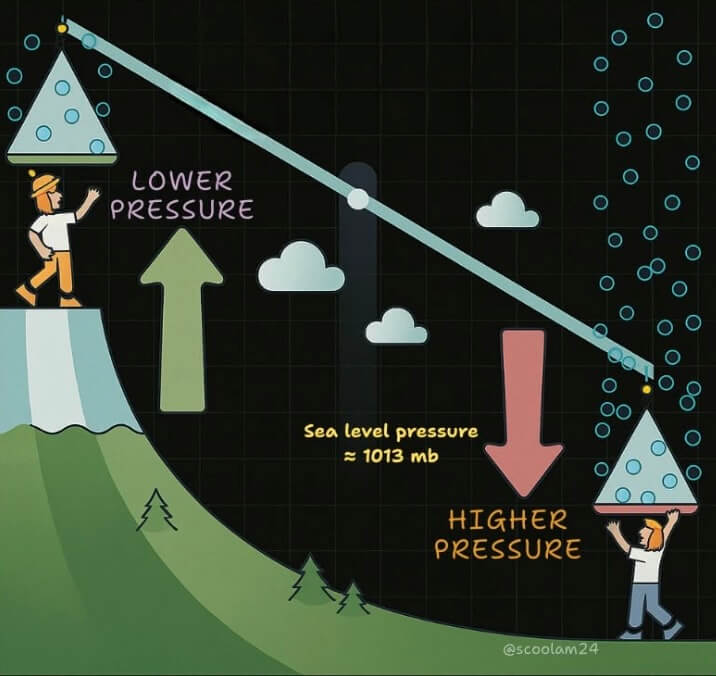
- — The Rule of Thumb: Once you cross roughly 5,000 feet (1,500 meters), your VO2max (maximum aerobic capacity) drops by about 7 to 10% for every additional 3,300 feet (1,000 meters) of elevation gained. Well-trained endurance athletes often notice a dip even lower than that. Denver, at 5,280 feet, sits right on the line.
- — Same Heart Rate, Less Power: At moderate elevations like Denver, your heart can still hit its maximum rate (HRmax), but the blood it’s pumping carries less oxygen payload, lowering your top-end power output. Go higher and stay longer, and even your max heart rate tends to come down.
Your Everyday Pace Feels Like a Sprint
A lower ceiling means everything underneath it gets squeezed.
- — The Relative Intensity Spike: A pace that uses 50% of your capacity at the beach might demand 60 to 70% of your reduced capacity at 10,000 feet. Same speed, much bigger slice of your engine.
- — Faster Fatigue: Because you’re working closer to your limit for the same speed, you hit your lactate threshold (the point where lactate, what most people call lactic acid, starts piling up) at a slower pace. Your heart rate spikes higher and fatigue shows up far faster. It’s why the runs in Hyrox and hybrid endurance training can feel brutal your first week at elevation.
- — The Fix: To keep your training exertion at a safe level, you have to intentionally dial back your absolute speed. More on exactly how to do that below.
New to Denver or training for a mountain rac
Explosive Power Holds Strong
Here’s some good news if you’d rather lift heavy than run long.
- — The Anaerobic Advantage: Short-burst explosive movements, heavy weightlifting, and brief sprints don’t rely heavily on immediate oxygen delivery. Because your anaerobic energy systems do the heavy lifting, pure muscle strength and maximal power stay mostly intact. Thinner air can even shave a hair off your sprint times.
- — The Catch Is Recovery: Bouncing back between sets, intervals, and repeated efforts leans on your aerobic system, and that’s the part altitude slows down. For CrossFit and Hyrox athletes, this is where altitude really shows up. Not in the heavy single, but in round ten.
Powerlifters and olympic lifters training in Denver, take note: your top-end strength travels with you, even if your rest periods need to stretch a little. The same goes for young athletes building their base with strength and power training.
Hidden Metabolic and Brain Shifts
Altitude keeps working on you long after the workout ends.
- — Baseline Adrenaline: Even while resting, your sympathetic nervous system surges, pumping out higher levels of norepinephrine that elevate your resting heart rate and metabolism.
- — Hormonal Dehydration: Altitude suppresses the renin-angiotensin-aldosterone system, the hormone system that normally helps you hold onto sodium and water, so your kidneys flush more fluid. Meanwhile, faster breathing in dry mountain air pulls extra water out with every exhale.
- — Altitude Brain: Your cerebral cortex is hungry for oxygen. Above 10,000 feet, subtle drops in blood oxygen saturation (SpO2) can slow your reaction times, impair motor coordination, and cause decision-making fatigue.
Keep that last one in mind on a big mountain day. Skiing and snowboarding at elevation ask for quick reactions and sharp coordination right when your brain is running a little low on oxygen.
How Long Does It Take to Acclimate to Altitude?
Most people start feeling better within a few days, see meaningful improvement in one to three weeks, and keep adapting for several weeks after that. Physiologists call this process acclimatization, and it varies a lot from person to person.
- — Days 1 to 3, The Rough Patch: Your breathing and heart rate run high while your body scrambles to adjust. Sleep can be restless and workouts feel harder than they should. This is also when altitude sickness (headache, nausea, unusual fatigue) is most likely, especially if you head well above Denver’s elevation.
- — Weeks 1 to 3, Settling In: Breathing and heart rate start to level off, your body gets better at delivering oxygen, and training begins to feel more like training again. This is the stretch where most people notice the biggest difference.
- — Several Weeks and Beyond, The Deep Adaptations: Your kidneys ramp up EPO, the hormone that tells your body to build more red blood cells, within the first few days. Actually building more red blood cells and hemoglobin takes several weeks.
If you just moved to Denver, expect everyday life to feel close to normal within a week or two. Getting your training back to where it was at sea level usually takes longer.
One safety note: mild symptoms are common, but if a headache or nausea gets worse instead of better, head to a lower elevation and get checked out.
How to Adjust Your Training at Altitude
You don’t need to overhaul your program. You need to change how you measure it, and give your body a little more support while it adapts.
- — Train by Effort, Not Pace: Your sea-level splits don’t apply up here. Use heart rate zones or perceived effort, and let your pace land wherever it lands. If you’re running at altitude, the effort should match the plan, even when the watch says slower.
- — Hydrate Ahead of Thirst: You’re losing fluid faster than you feel it. Drink consistently through the day, keep an eye on urine color, and replace electrolytes on long or sweaty sessions.
- — Protect Your Sleep: Adaptation happens while you recover, and the first few nights at elevation can be restless. Keep a consistent bedtime and go easy on alcohol, which adds to dehydration and disrupts sleep.
- — Ease Into Week One: Trim your volume and intensity for the first several days. Save your hardest sessions for once your breathing and heart rate have settled.
- — Time Your Arrival for Race Day: Competing at altitude? Either give yourself two or more weeks to adapt, or arrive within about 24 hours of the start. Showing up two or three days out often lands you right in the rough patch.
Adjust Your Expectations, Not Your Goals
The secret to competing or training at elevation comes down to adjusting your expectations. Your body is working overtime behind the scenes just to keep baseline systems running, so hydrate aggressively, respect the shift in effort, and don’t be afraid to slow down!
Train smarter at altitude with UNITE. Getting back into rec sports after a move to Denver? Planning hiking and ski days with the family? Our coaches can help you build a body that’s ready for the mountains. Start with a movement assessment, or learn more about our performance training.
Key Takeaways
- — Altitude mostly taxes endurance. Your aerobic ceiling drops, so the same pace takes more out of you.
- — Train by effort or heart rate at elevation, not by your sea-level pace.
- — Heavy lifts and sprints mostly hold up, but recovery between efforts is slower.
- — Altitude pulls fluid out of you faster, so hydration matters more than usual.
- — Most people adjust meaningfully within one to three weeks.
Frequently Asked Questions
How does altitude affect athletic performance?
Think of it as a lower ceiling. Endurance takes the biggest hit because your body can’t use as much oxygen at its peak, while short, explosive efforts are mostly unaffected. The higher you go, the bigger the gap.
How long does it take to acclimate to altitude?
Usually one to three weeks for meaningful improvement, with deeper changes continuing for several weeks after that. You can help the process along by easing into training, staying hydrated, and prioritizing sleep. Headed somewhere really high, like a 14er or a mountain town above 9,000 feet? Spending a night or two at a moderate elevation like Denver first gives your body a head start.
How long does it take to adjust to Denver’s altitude?
For daily life, most newcomers feel close to normal within a week or two. Training is a different story. Your hardest efforts may take several weeks to come back around, and at 5,280 feet, some endurance sessions may never feel quite like they did at the coast. That’s not a fitness problem. It’s physics.
Does altitude affect strength training?
Not much for your top-end strength. A heavy single or a short set feels about the same. Where you’ll notice it is recovery, so give yourself a little extra rest between heavy sets and expect conditioning-heavy workouts to bite harder.
Why is my heart rate higher at altitude?
Two reasons. Each heartbeat delivers less oxygen, so your heart beats faster to keep up, and your nervous system is releasing more norepinephrine, which pushes your heart rate up even at rest. Both tend to settle as you acclimate. Tracking your resting heart rate each morning is a simple way to gauge how you’re adjusting. As it drifts back toward normal, your body is catching up.
Does altitude dehydrate you?
Yes. Your kidneys flush more fluid at elevation, and faster breathing in dry mountain air pulls water out with every breath. Watch for dark urine, a dry mouth, or workouts that feel unusually flat. Those are often early signs you’re behind on fluids.
Should athletes arrive early for a competition at altitude?
It depends on how early you can get there. Two or more weeks gives your body real time to adapt. If that’s not realistic, arriving within about 24 hours lets you compete before early effects like poor sleep and an elevated resting heart rate fully set in. For most people traveling in from sea level for a Colorado race, the 24-hour approach is the more practical option.
Does training at altitude make you faster at sea level?
It can, but it’s not guaranteed. Some athletes use a “live high, train low” approach, living at altitude for red blood cell benefits while doing hard sessions lower down. The research is mixed and results vary widely from person to person, so if you live and train in Denver, think of any sea-level boost as a bonus rather than a plan.
Don’t leave it to chance.
Let Denver’s premier team of sports physical therapists and performance coaches lead the way!
©2020-2025 UNITE.rehab.perform LLC. All rights reserved.
UNITE.rehab.perform does not provide medical advice, diagnosis, or treatment through this website or related content. See additional information.